At its foundation AI is a system built on patterns. It studies what already exists, learns the relationships between ideas, and predicts what might come next. That ability is incredibly powerful—but it raises an important question: Where does the truly unexpected idea come from?
The greatest breakthroughs in design often begin with someone looking in the wrong direction. An architect sees a cigarette pack. An engineer studies a bird. A designer finds a color palette in a sunset. These moments don't come from searching a database of existing solutions—they come from making a connection that no one thought to make before.
The challenge for AI isn't generating more ideas. It's knowing which unrelated thing to notice.
A series of bundled tubes
Around 1970, while the Sears Tower was being designed, architect Bruce Graham and structural engineer Fazlur Rahman Khan were wrestling with a familiar problem: how do you build one of the world's tallest skyscrapers without creating a massive, monotonous box?
According to a story often told about the project, Graham pulled a pack of cigarettes from his pocket. As he tapped the pack, several cigarettes slid upward to different heights. Looking at the staggered arrangement, he and Khan realized the tower could be composed of a bundle of individual structural "tubes," each ending at a different elevation. The concept wasn't just structurally efficient—it created a silhouette unlike any other skyscraper in the world.
The finished design consists of nine bundled tubes. The northwest and southeast tubes end at the 50th floor. The northeast and southwest tubes continue to the 66th. The east, north, and south tubes rise to the 90th floor, while the center and west tubes extend all the way to the 108th. Rather than a simple rectangular tower, the result is an asymmetrical form that feels dynamic and elegant from every angle.
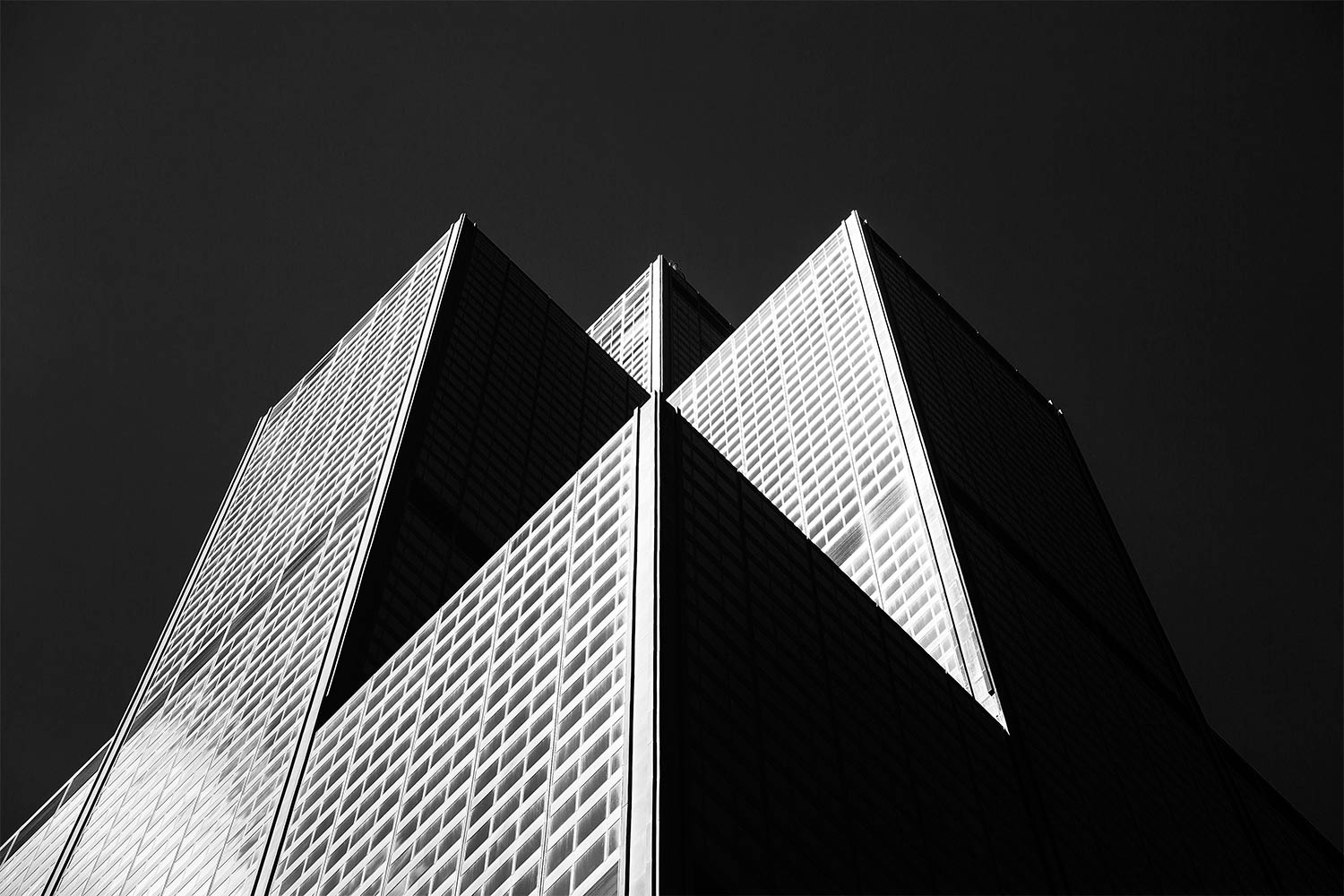
This is the kind of leap that fascinates me. An AI can study every skyscraper ever designed. It can analyze blueprints, calculate loads, and recognize patterns across millions of examples. But it can't glance at a pack of cigarettes, see an entirely unrelated arrangement of objects, and suddenly imagine a new way to build the tallest building in the world.
Ask it to design an iconic opera house on Sydney Harbour, and it will remix what it has learned from existing architecture. Human architects, by contrast, looked to seashells, sails, and bird wings to create a building that became one of the most recognizable structures on Earth. The most transformative ideas often come not from having more data, but from seeing unexpected connections between things that don't seem related at all.
Japanese Bullet Trains
When Japan's Shinkansen bullet trains began pushing speeds beyond 200 mph, engineers encountered an unexpected problem. As a train entered a tunnel, it compressed the air in front of it like a piston. When that pressure wave reached the other end, it exploded out of the tunnel with a thunderous boom—loud enough to disturb residents living nearby.
An AI trained on aerodynamic models could probably optimize the train's shape. It might smooth a curve here, sharpen an angle there, and eventually reduce the noise. But the breakthrough solution didn't come from studying trains.
It came from watching a bird.
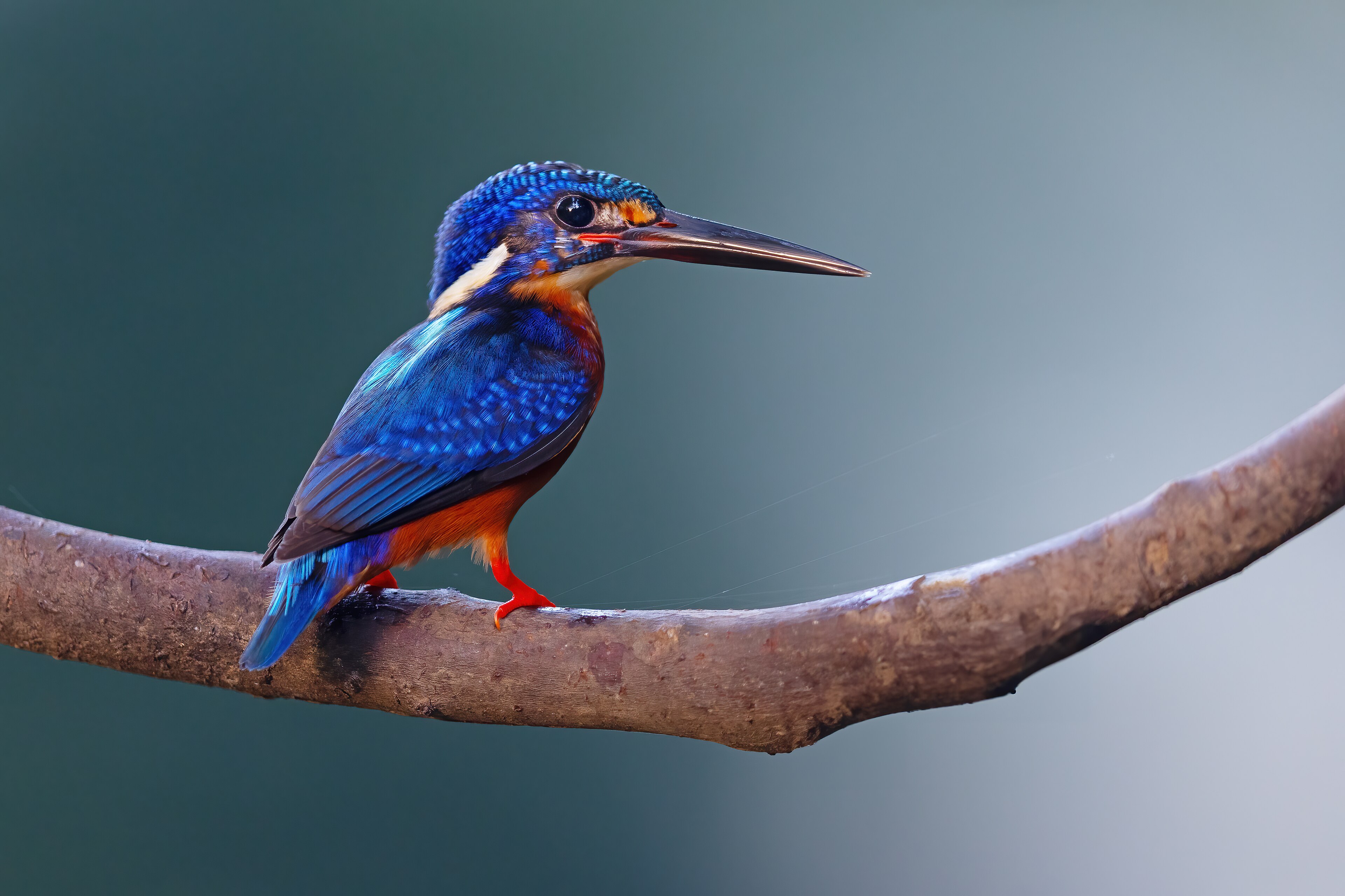
The kingfisher hunts by plunging from the air into the water at high speed, transitioning between two vastly different mediums while creating remarkably little splash. Engineers became fascinated by the bird's long, tapered beak and realized it solved a problem strikingly similar to their own: how to move from one environment to another without generating a destructive pressure wave.
Inspired by the kingfisher, they redesigned the nose of the Shinkansen to mimic the bird's beak. The results were remarkable. The tunnel boom was virtually eliminated. The trains could travel about 10% faster while using roughly 15% less electricity.
Innovation isn't always the result of knowing more. Sometimes it comes from looking somewhere no one else thought to look. The engineers weren't inspired by another train—they were inspired by nature. That's the kind of cross-disciplinary leap that has driven some of humanity's greatest inventions.
Finding inspiration away from screens
The world's most memorable designs weren't created in a vacuum. Architects borrowed from cigarettes and seashells. Engineers borrowed from birds. Artists borrow from nature, music, mathematics, and human emotion. The common thread isn't expertise in a single discipline - it's curiosity across many.
The more diverse your experiences become the larger your library of ideas grows. When you encounter a new problem, your mind has more places to look for an answer.
Innovation isn't just about finding better solutions, it's about finding better sources of inspiration.